📞 Call 281-683-6737 for a Free Inspection
How do you tell drywood from subterranean termites in Katy?
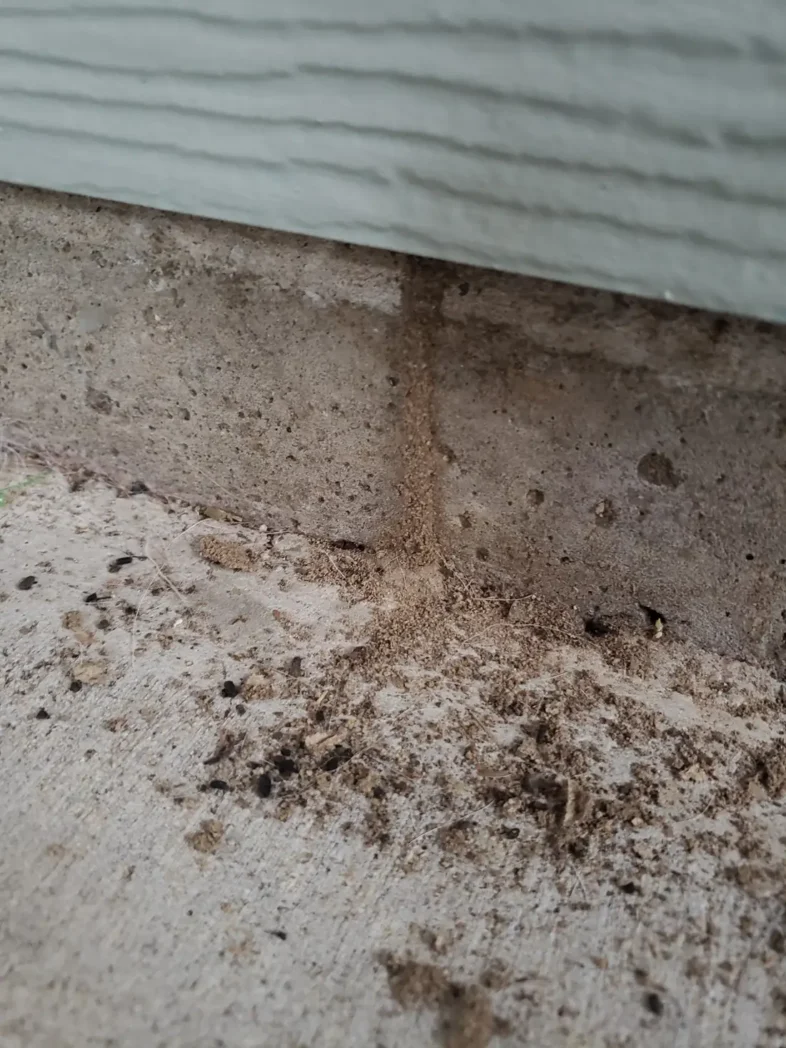
Look at how they live and what they leave behind. Subterranean termites—including native Reticulitermes species and Formosan termites (Coptotermes formosanus)—need moisture and usually stay connected to the soil. They build mud shelter tubes, leave soil in the wood they eat, and often show up first as swarmers or shed wings near lights and windows. Drywood termites live inside sound, dry wood above ground. They do not build mud tubes. The giveaway is small, hard fecal pellets (frass) kicked out of tiny holes in wood, plus smooth galleries without soil packed inside. A fall inspection in Katy is useful because the big swarm flights are over, but the colonies that started earlier keep feeding. CPL Pest Control LLC inspects Katy homes, shows you what we find, and explains treatment options before any work starts.
Seeing termite tubes, wings or wood damage in Katy? Call or text Chris at 281-683-6737 for a free inspection. Calls answered evenings & weekends.
Call | Text | Book online
Why do Katy homes get both kinds of termites?
Katy sits in a part of west Houston where soil-dwelling termites and wood-dwelling termites can both show up, for reasons that are specific to the city:
- Three counties, one city. Katy is on Interstate 10 and U.S. 90 at the intersection of Harris, Waller and Fort Bend counties, about 25 miles west of downtown Houston (Texas State Historical Association, Handbook of Texas). That mix of newer master-planned neighborhoods and older in-town streets means inspectors see both slab-edge entry points and wood trim, eaves and attic vents.
- A lot of housing sitting on slabs. The ACS 2020–2024 5-year estimates put Katy at 25,184 residents and 8,495 housing units, with about 80.7% of occupied units owner-occupied (6,412 of 7,942). The median home was built in 2003, and about 40% of housing units (3,435 of 8,495) were built in 2010 or later (U.S. Census Bureau, ACS 2020–2024 via Census Reporter). Newer construction does not keep subterranean termites out—they come from the soil under and around the slab, not from “old wood.”
- Formosan termites are documented nearby. Texas A&M lists Harris County and Fort Bend County among the Texas counties where Formosan subterranean termites have been detected. The first Texas infestations were found in 1956 around the Houston Ship Channel in Pasadena, Harris County (Texas A&M Urban Entomology, Formosan subterranean termites). Katy addresses in Harris and Fort Bend sit inside that documented range. Waller County is not on that list, so we identify what we find instead of assuming every Katy street has Formosan termites.
- Drywood termites occur throughout Texas. Texas A&M AgriLife says drywood termites are found throughout Texas, with the highest concentrations along the Gulf Coast, and that they live in sound, dry wood above ground with no soil contact (Texas A&M AgriLife, Drywood Termites). That is why attic framing, fascia, eaves and wooden furniture matter in a Katy inspection even when the yard looks clean.
Texas A&M AgriLife also notes that homeowners in all areas of Texas should watch for subterranean termites, and that subterranean termites cause about $500 million in damage each year in Texas (Texas A&M AgriLife, Subterranean Termites, 2025). For termite treatment in Houston and west-side cities like Katy, the first job is telling the two groups apart so the treatment matches the insect.
What are the signs of each termite type in a Katy home?
Use the evidence, not a guess from one winged insect on the porch.
Signs that point to subterranean or Formosan termites
- Mud shelter tubes on foundation walls, slab edges, piers, utility penetrations or interior walls. Texas A&M says shelter tubes made of soil particles and secretions protect workers moving between soil and wood (Texas A&M AgriLife, 2025).
- Swarmers or shed wings on window sills, in cobwebs or near indoor lights. Native subterranean swarmers in Texas are often active in the early spring; AgriLife says swarming begins in South Texas in January and February (Texas A&M AgriLife, 2025). Formosan swarmers are yellowish-brown, about 12–15 mm long, fly at night in late May and early June, and are drawn to lights (Texas A&M Urban Entomology).
- Damaged wood with soil inside the galleries. Subterranean damage often follows the grain and is lined with mud. Hollow-sounding wood when tapped is a clue, not a diagnosis by itself.
- Aerial (above-ground) nests inside structures, especially with Formosan termites (Texas A&M Urban Entomology).
Signs that point to drywood termites
- Piles of fecal pellets (frass) near kick holes in wood. AgriLife describes the pellets as about 1/32 inch long, generally the color of the wood, and six-sided—blunt at one end and pointed at the other (Texas A&M AgriLife, Drywood Termites).
- Small kick holes about 1/16 inch across in fascia, eaves, siding or furniture, used to push pellets out of the gallery.
- Smooth, sculptured galleries that consume both springwood and summerwood and contain pellets, not soil (Texas A&M AgriLife, Drywood Termites).
- Swarmers in late summer. AgriLife says drywood reproductives develop wings and swarm in late August and early September. The most common Texas species, Incisitermes snyderi, swarms at night; Incisitermes minor swarmers have darker bodies and fly in the daytime (Texas A&M AgriLife, Drywood Termites).
A quick swarm check: termite swarmers have straight antennae and two pairs of equal-size wings. Ant swarmers have elbowed antennae and a narrow waist. If you are unsure, save a sample in a small container—or take a clear photo—and we can help identify it during the inspection.
For a Houston-focused how-to on drywood treatment options, see our guide to getting rid of drywood termites in Houston.
Why does a fall termite inspection matter in Katy?
Swarm season is when people notice termites. Damage continues after the flights stop.
AgriLife recommends inspecting homes at least once a year because active infestations can be hard to see behind wallboard, siding and trim (Texas A&M AgriLife, 2025). In Katy, a November inspection is well after native spring flights and Formosan late-spring night flights, and after the late-summer drywood swarm window. That timing helps you catch hidden feeding before the next round of swarmers.
Subterranean colonies do not shut down because the air feels cooler. They live in soil and wood, where moisture and temperature stay more stable. AgriLife notes that workers forage for cellulose, build tubes, and share food with the rest of the colony, and that a mature native colony after three to five years can contain as many as 250,000 workers (Texas A&M AgriLife, 2025). Formosan colonies can be much larger: Texas A&M says a typical colony may exceed 1 million insects and can damage wood faster than native subterranean termites (Texas A&M Urban Entomology).
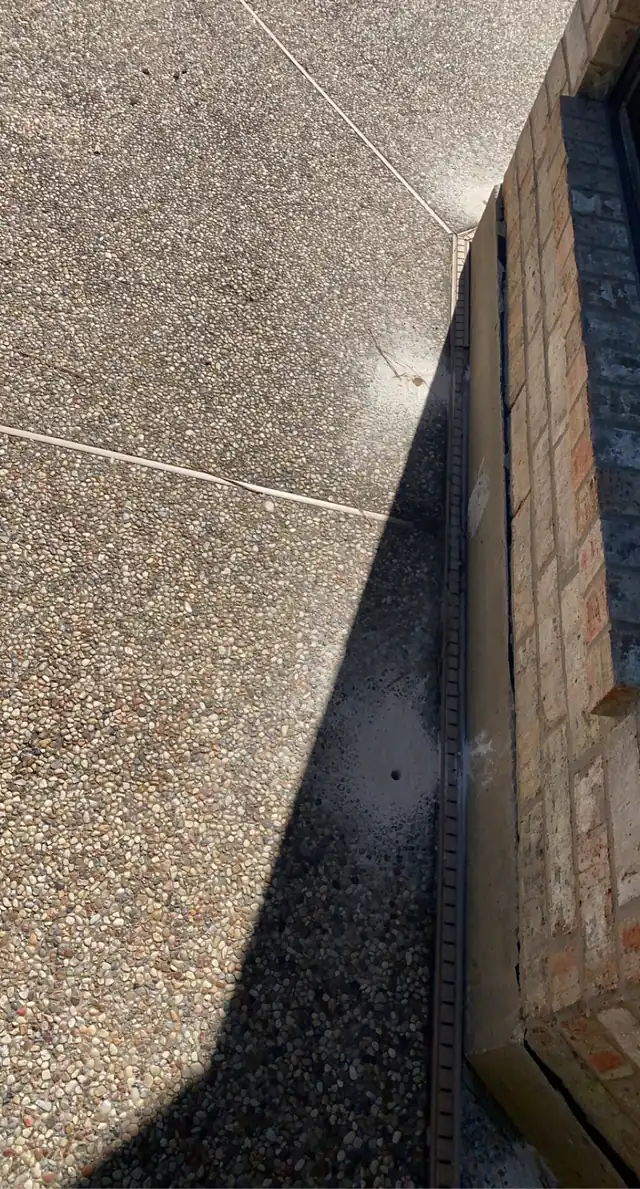
On newer Katy slabs, we pay close attention to bath-trap areas, plumbing penetrations, expansion joints, air-conditioning lines, planter boxes, wood-to-soil contact and any place mulch or soil has been built up against the foundation. Those are the paths subterranean termites use when there is no obvious “old house” to blame.
What does a CPL termite inspection find?
When you call CPL Pest Control LLC for a Katy termite inspection, the visit starts with looking, not guessing:
- Free inspection. We walk the exterior foundation and slab edge, check wood trim, eaves, fascia, window and door frames, and look at the rooms and attic access you name.
- Type-and-location mapping. Mud tubes, soil in galleries, pellet frass, kick holes, shed wings and damaged wood tell us whether the problem looks subterranean, Formosan, drywood—or more than one issue.
- Moisture and entry clues. Leaky roof edges, clogged gutters, irrigation against the slab, wood in contact with soil and hidden plumbing leaks all matter because subterranean termites need moisture (Texas A&M AgriLife, 2025).
- Clear next steps. We show you what we found, explain treatment options that fit that evidence, and give you a price before work starts.
If you are buying or selling, a formal wood-destroying insect report is a different document from a service inspection. Start with our wood-destroying insect reports for Houston-area home buyers if that is the report you need.
Free inspection. Not sure whether those wings or that damaged trim are drywood or subterranean termites? Chris will inspect the home, show you what he finds, and quote the work before anything starts. Book your free inspection or call or text 281-683-6737. Calls answered evenings & weekends.
What does termite treatment usually involve?
After the inspection confirms what you have, treatment depends on the species and how far the activity has spread:
- A plan that matches the termite. Subterranean and Formosan jobs typically focus on the soil-to-structure connection and the galleries we mapped. Drywood jobs focus on the infested wood. Mixing those approaches up wastes time.
- Targeted work after you see the findings. Licensed technicians apply EPA-registered products according to the label. We will explain the method that fits your home after the inspection—not from a one-size-fits-all script.
- Fixes that support the treatment. Reducing wood-to-soil contact, keeping soil several inches below the top of the foundation, repairing leaks and pulling mulch or stored wood away from the slab makes inspection and control easier (Texas A&M AgriLife, 2025).
- Follow-up as needed. Some drywood infestations are limited enough that infested wood can be removed or treated locally; broader activity needs a different conversation. We will tell you what the evidence supports.
If you are building or adding on in Katy, ask about pre-construction termite treatment in Houston before the slab goes down. That is the one time the soil under the entire foundation can be treated without drilling later.
Why does DIY termite control so often fail?
Store-bought sprays and a weekend of drilling rarely match what a colony is doing behind the walls.
- The wrong target. Treating a window sill for drywood pellets will not stop subterranean tubes at the slab. Treating the yard for “bugs” will not reach drywood termites living inside a fascia board.
- An incomplete barrier. AgriLife notes that do-it-yourself termite work usually lacks the specialized equipment used to treat soil around and under a foundation, and that it is usually best handled by a licensed professional (Texas A&M AgriLife, 2025).
- Missed colonies. Drywood termites can occupy more than one timber. AgriLife says the challenge of injecting every gallery is finding them all (Texas A&M AgriLife, Drywood Termites).
- Ant-or-termite confusion. Swarming ants and termites overlap in season. Treating the wrong insect delays the inspection that would have found tubes or pellets.
- No yearly check. Damage can stay hidden until the next swarm. Waiting for another cloud of wings is how small activity becomes a repair bill.
A free professional inspection costs you nothing up front and can keep you from treating the wrong part of the house.
Frequently asked questions about termites in Katy
Can newer Katy homes still get termites?
Yes. The median Katy home was built in 2003, and about 40% of housing units were built in 2010 or later (ACS 2020–2024). Subterranean termites come from the soil around the slab. Drywood termites live in dry wood above ground, so attic framing, eaves and fascia are worth checking (Texas A&M AgriLife, Drywood Termites).
Do Formosan termites live in Katy?
Texas A&M has documented Formosan termites in Harris County and Fort Bend County, two of the three counties Katy occupies (Texas A&M Urban Entomology). That means Formosan termites are a real Houston-area possibility for many Katy addresses. Identification still depends on soldiers or swarmers from your property, not on the city name alone.
How can I tell termite swarmers from flying ants?
Termite swarmers have straight antennae, a broad waist and two pairs of wings that are the same size. Ant swarmers have elbowed antennae, a pinched waist and hind wings that are smaller than the front wings. Save a sample or a photo if you can.
Is the inspection free?
Yes. Free inspection. You will get a clear explanation of findings and a price before any treatment starts.
Do you also serve Cinco Ranch and other west-Houston neighborhoods?
Yes. CPL Pest Control LLC serves Katy, Cinco Ranch, Fulshear, Brookshire and the Greater Houston area. Call or text 281-683-6737. Calls answered evenings & weekends. General pest questions can start on our pest control in Katy page.
Ready for a termite inspection in Katy?
Don’t wait for the next swarm to find out which termites you have. Call or text Chris for a free inspection, and we will map the evidence, explain the difference, and give you a price before work begins.
Call 281-683-6737 | Text Chris | Book a free inspection
Calls answered evenings & weekends.
Ask us about our service guarantee.
Related reading and services:
- Termite treatment in Houston
- How to get rid of drywood termites in Houston, TX
- Pest control in Katy, TX
- Pre-construction termite treatment in Houston
- Wood-destroying insect reports for home buyers in Houston
- Rats in your Katy attic? Signs and what to do this fall
- Contact CPL Pest Control
About the author: Christopher Villarreal owns CPL Pest Control LLC (Texas TPCL license 0567655) and has over 20 years of experience in pest control. CPL Pest Control LLC is fully licensed and insured and serves Katy, Cinco Ranch and the Greater Houston area.
Published November 8, 2026.