📞 Call 281-683-6737 for a Free Inspection
How do I get rid of armadillos digging up my Conroe yard?
Armadillos dig because they’re hunting insects in the soil, mostly grubs, so the fix is to remove the animal, close off the places it’s denning, and take away what’s drawing it in. There is no repellent registered for armadillos, so sprays and “armadillo-proof” gadgets from the hardware store won’t solve it (Texas A&M AgriLife, Managing Armadillo Damage). CPL Pest Control LLC handles armadillo removal in Conroe, The Woodlands and the surrounding area, and the inspection is free.
Armadillo holes in your Conroe yard or digging under your porch? Call or text Chris at 281-683-6737 for a free inspection. We answer evenings and weekends.
Call | Text | Book online
Tell us where the digging is, whether you’ve found a burrow, and whether it’s near the foundation, a slab, a porch or a driveway. That tells us how urgent it is.
Why are armadillos digging in Conroe yards in November?
Because they’re still feeding, and a warm afternoon is all it takes. Texas Parks and Wildlife says armadillos have almost no hair to hold body heat, so they forage on summer evenings and on warm winter afternoons (TPWD, Nine-banded Armadillo). AgriLife adds that in winter they may be active only during the day (Texas A&M AgriLife). Mild fall afternoons are armadillo weather, and you may notice fresh holes in the morning or digging in broad daylight.
TPWD says the habit of digging up lawns is driven by the armadillo’s appetite for grubs (TPWD, Nine-banded Armadillo). AgriLife says more than 90 percent of an armadillo’s diet is insects, with earthworms and other invertebrates making up much of the rest (Texas A&M AgriLife).
What makes Conroe so easy for armadillos?
Three things stand out in Conroe:
- Loose, sandy soil. TPWD says armadillos are not found where the soil is too hard to dig, and the softer the ground, the better they dig (TPWD). The USDA’s official description of the Conroe soil series, whose type location is in Montgomery County, shows a loose loamy fine sand surface layer about 25 inches deep over a clay subsoil (USDA NRCS, Conroe Series). Soil survey data summarized by SoilLookup puts Conroe soils on about 15% of Montgomery County’s land, the most of any soil there (SoilLookup, Montgomery County, TX).
- Woods next door. The Sam Houston National Forest covers 46,902 acres inside Montgomery County (USDA Forest Service, Land Areas Report, 2023). Brush, stumps and downed timber are the kind of cover AgriLife says armadillos dig burrows around.
- A city that keeps growing. Conroe’s population estimate for July 1, 2025, was 119,564, up 33.0% from the April 2020 estimates base, and the city covered 72.00 square miles in 2020, up from 52.71 square miles in 2010 (U.S. Census Bureau QuickFacts, Conroe city, Vintage 2025). New lawns and flower beds going in next to wooded lots put well-watered turf, and the insects living in it, right at the edge of armadillo habitat.
How can I tell armadillo damage from other yard animals?
Look at the holes and where they are. The usual signs are:
- Small, shallow holes scattered across the lawn or beds. These are feeding holes, dug overnight or on warm afternoons.
- Torn-up mulch and flower beds, especially after watering or rain.
- A larger round burrow opening. AgriLife says armadillo burrows are usually 7 or 8 inches across and can run up to 15 feet long, most often around rock piles, stumps and brush piles, and that an armadillo digs several burrows in an area to escape into (Texas A&M AgriLife).
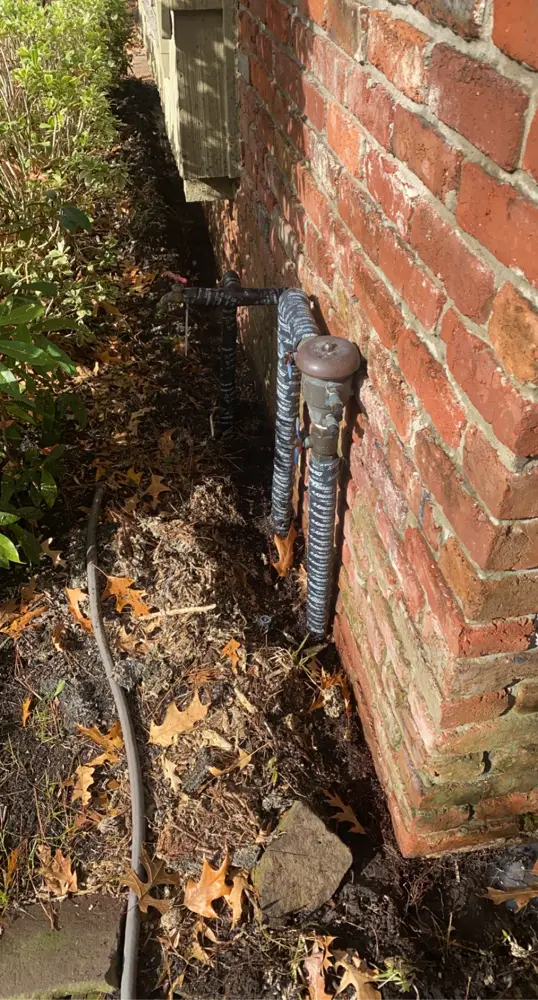
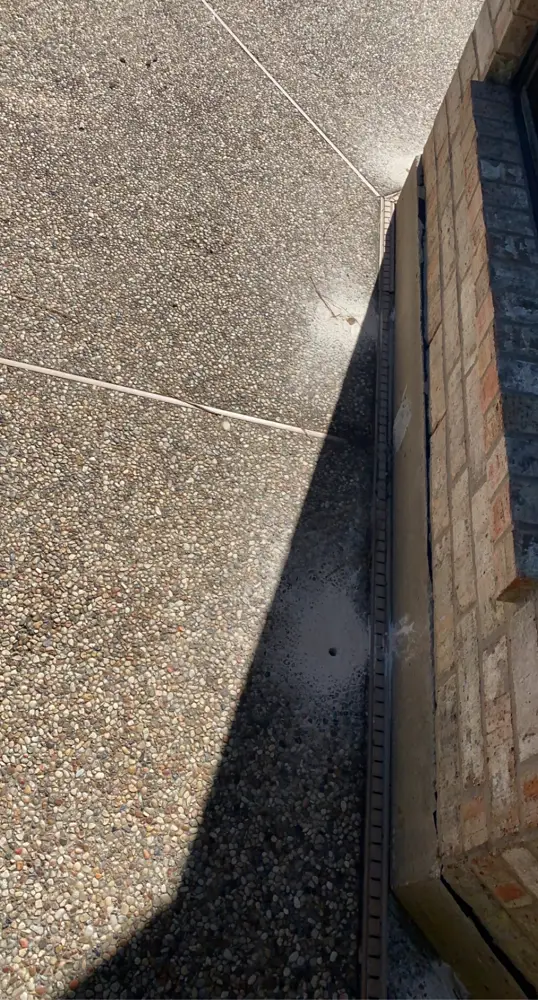
- Burrowing next to the house. AgriLife says some damage has come from armadillos burrowing under foundations, driveways and other structures.
Three-toed-looking tracks are another clue, according to the same AgriLife guide. If you’re not sure what’s digging, we’ll figure it out. Raccoons, opossums and moles can leave holes too.
Free inspection. Chris will walk your yard, find the feeding spots and any burrows, and tell you what he recommends before any work starts. Book your free inspection or call or text 281-683-6737.
Why shouldn’t I wait until spring to deal with armadillos?
Because a burrow next to your house can turn into a nursery. AgriLife says female armadillos have one litter a year, four young of the same sex, born in March or April (Texas A&M AgriLife). TPWD says breeding takes place in July, but the embryo stays dormant until November (TPWD). Dealing with the animal now, before it has young in a burrow under your slab or porch, is easier than waiting.
What does CPL do on an armadillo call in Conroe?
When you call CPL Pest Control LLC for wildlife control in Conroe, here’s what to expect:
- Inspection. We confirm it’s an armadillo, find the feeding areas and burrows, and check the foundation, slab edges and porch for digging.
- Removal. We remove the armadillo. AgriLife says cage trapping is an effective way to capture armadillos, though they can be unpredictable, and that trap placement along trails, beside buildings and at burrow entrances matters.
- Closing it up. We close up the burrows and gaps near the house so the next animal doesn’t move in. Many other animals use abandoned armadillo burrows (TPWD).
- Fixing the cause. If grubs and other insects in the lawn are what’s drawing the armadillo, we’ll talk through your options for the yard. AgriLife notes that digging can briefly get worse before the animal gives up and leaves, so patience helps.
We don’t sell armadillo repellents, since none are registered (Texas A&M AgriLife). Armadillos also can carry the bacterium believed to cause leprosy, and TPWD says to take precautions when handling them (TPWD), so please don’t pick one up or corner it. Let a pro handle it.
What can I do around my Conroe yard to discourage armadillos?
AgriLife’s advice is to take away cover and slow down the digging:
- Clear brush piles, rock piles and tall grass. AgriLife says armadillos usually dig burrows where there’s cover, so removing it will sometimes discourage them from settling in.
- Protect your best beds. A fence slanted outward at about 40 degrees, with at least 18 inches buried, usually deters armadillos, but AgriLife notes it may be too costly for large areas.
- Look at the edges of the house. Check slab edges, porches, steps and driveways for new holes or loose soil.
Frequently asked questions about armadillos in Conroe
Do you remove armadillos in Conroe and The Woodlands?
Yes. CPL Pest Control LLC does armadillo removal in Conroe, The Woodlands and the surrounding Houston-area communities.
Is it legal to trap armadillos in Texas?
AgriLife says it’s legal to trap armadillos at any time, and that anyone who wants to trap and relocate one should notify local Texas Parks and Wildlife Department representatives (Texas A&M AgriLife). Call us and we’ll handle it.
Will an armadillo go away on its own?
Sometimes it moves on, but as long as there are grubs in the lawn and cover nearby, another one can take its place. We look at both the animal and what’s drawing it.
Are armadillos dangerous?
They aren’t aggressive, but they can carry the bacterium believed to cause leprosy, and they can damage lawns, beds and the soil around foundations. Don’t handle one.
Is the inspection free?
Yes. The inspection is free, and you’ll get a price before any work starts.
Do you answer after hours?
We answer evenings and weekends at 281-683-6737.
Ready to stop the digging in your Conroe yard?
Call or text us, tell us where the holes are, and we’ll find out where the armadillo is living and how to get it out. Our guarantee: Full 30 day money back guarantee, if you are not completely happy with our service.
Call 281-683-6737 | Text Chris | Book a free inspection
Related reading and services:
- Wildlife control in Conroe, TX
- Pest control in Conroe, TX
- Fire ants in your Conroe yard this fall
- How Conroe residents can keep wildlife out of their homes
- Contact CPL Pest Control
About the author: Christopher Villarreal owns CPL Pest Control LLC (Texas TPCL license 0567655) and has over 20 years of experience in pest control. CPL Pest Control LLC is fully licensed and insured and serves Conroe, The Woodlands and the Greater Houston area.
Published November 9, 2026.