📞 Call (956) 287-2118 for a Free Inspection
Why am I finding scorpions in my Edinburg home?
The scorpion you found in an Edinburg home is almost certainly a striped bark scorpion (Centruroides vittatus), the most common scorpion in Texas. Texas A&M AgriLife says it does not burrow, it climbs trees and walls, and it is often found in attics—then moves into living areas when attic temperatures get too high (Texas A&M AgriLife Extension, Scorpions: Identification, Habitat and Control in Texas, 2022). Fall is also one of its mating seasons, so more adults are on the move. Scorpion control in Edinburg works best when you find the hiding spots and entry points first, then treat, because AgriLife says scorpions are difficult to control with insecticides alone. CPL Pest Control LLC inspects Edinburg homes, shows you what we find, and explains the next steps before any work starts.
Seeing scorpions in Edinburg? Call or text Chris at 956-287-2118 for a free inspection. We answer anytime.
Call | Text | Book online
Why do scorpions show up in Edinburg homes this fall?
Edinburg’s growth, housing mix and nearby cover give striped bark scorpions plenty of places to hide, then slip indoors:
- A fast-growing county seat. Edinburg is the Hidalgo County seat, on U.S. Highway 281 and State Highway 107 in south-central Hidalgo County (Texas State Historical Association, Handbook of Texas). The city grew from 74,588 residents in the 2010 Census to 100,243 in 2020, and the ACS 2020–2024 5-year estimate puts the population at 104,550 (TSHA; U.S. Census Bureau, ACS 2020–2024 via Census Reporter). More homes, fences, sheds and stored boxes mean more tight, flat hiding spots.
- Newer houses still have attics and weep holes. The median Edinburg home was built in 2003. The city has 39,242 housing units, and 16,654 of 35,680 occupied units—about 46.7%—are renter-occupied (ACS 2020–2024). About 31% of housing units (12,181 of 39,242) were built in 2010 or later (ACS 2020–2024). New stucco or brick-veneer slabs still have attic insulation, roof eaves, pipe penetrations and brick weep holes—the gaps AgriLife tells homeowners to seal.
- Habitat and cover inside the city. Edinburg Scenic Wetlands, one of the nine World Birding Center sites, sits in Edinburg (Texas Parks and Wildlife, World Birding Center interpretive guide). Brush, trees and debris near neighborhoods are useful outdoor cover for a climbing scorpion. That is habitat context, not a claim that every street next to the wetlands has the same pressure.
- Fall is mating season. AgriLife says the striped bark scorpion mates in the fall, spring or early summer. Gestation lasts about eight months, and females usually give birth to 13 to 47 young, 31 on average (Texas A&M AgriLife Extension, 2022). Adults searching for mates are easier to notice on walls, in garages and along baseboards.
For a McAllen companion to this Edinburg guide, see our McAllen scorpion guide.
What does a striped bark scorpion look like?
AgriLife’s description is specific enough that you can often identify one without guessing:
- Adults are about 2½ inches long, yellowish tan, with two broad dark stripes down the back and a dark triangular mark on the head above the eyes.
- The pincers (pedipalps) are slender, and the tail is long and slender—longer on males than on females.
- Young scorpions may be lighter. In immatures, the base of the pedipalps and the last segment of the tail can be dark brown or black.
- Scorpions are nocturnal. They hide by day in cracks and under objects and hunt at night for small insects, spiders and other prey (Texas A&M AgriLife Extension, 2022).
Texas has 18 scorpion species, but AgriLife says the striped bark scorpion is the only species found throughout the state and the only one recorded in the eastern part of Texas. If you found a scorpion indoors in Edinburg, this is the species to plan around.
Where do scorpions hide in an Edinburg home?
AgriLife lists the places striped bark scorpions actually use. They are active foragers associated with dead vegetation, fallen logs and human dwellings, and they often turn up in attics (Texas A&M AgriLife Extension, 2022):
Outside
- Under rocks, boards, stones, bricks and other objects on the ground
- In debris, trash piles and dead vegetation
- On walls and in trees, which can lead them onto the roof
- Along foundations, under siding edges and in brick weep holes
- In firewood stacks (AgriLife says not to bring firewood inside unless it is going straight onto the fire)
Inside
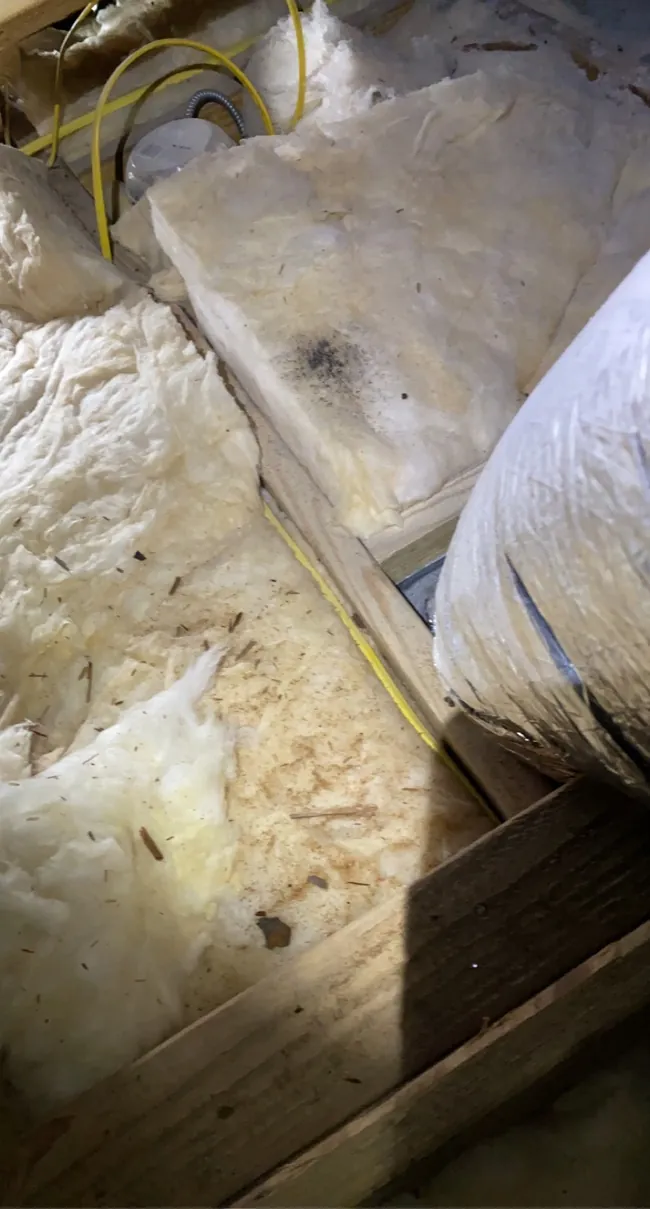
- Attics, especially around insulation and framing, then down into living areas when the attic gets hot
- Along baseboards, in closets and under sinks
- In shoes, stored boxes, garage clutter and laundry piles
- In cracks, corners and other tight, flat spaces their bodies fit into
Finding one inside often means others are using the attic, the roof line or the yard as harborage. Treat a single sighting as a reason to inspect, not as proof that “it just wandered in.”
What does a CPL scorpion inspection find?
When you call CPL Pest Control LLC for scorpion control in Edinburg, the visit starts with the hiding spots and the gaps:
- Free inspection. We check the attic access, foundation, weep holes, doors, windows, eaves and the yard for cover and entry points.
- Harborage mapping. Shrubs and tree limbs touching the house, stored wood, debris, unsealed weep holes and loose weather-stripping are the paths AgriLife tells people to remove or seal (Texas A&M AgriLife Extension, 2022).
- Interior clues. We look along baseboards, in closets, under sinks and in other rooms where you have seen activity.
- Clear next steps. We show you what we found, explain exclusion steps and treatment options, and give you a price before work starts.
General pest questions for the same city can start on our pest control in Edinburg page.
Free inspection. Not sure whether that sting or that tail in the garage is a striped bark scorpion? Chris will inspect the home, show you the hiding spots, and quote the work before anything starts. Book your free inspection or call or text 956-287-2118. We answer anytime.
What does scorpion treatment usually involve?
AgriLife’s first control step is changing the area around the structure, because spraying alone does not solve scorpion problems (Texas A&M AgriLife Extension, 2022). Our service follows that same order:
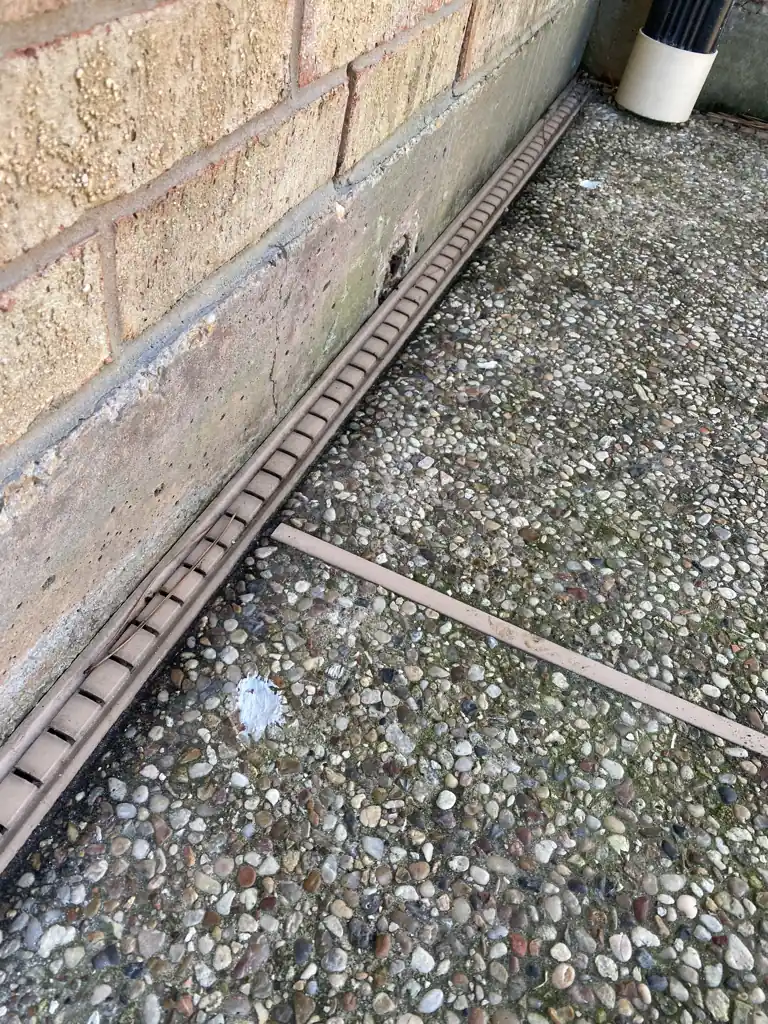
- Exclusion advice you can act on. Remove trash, logs, boards, stones and bricks from around the house. Keep grass short near the structure. Prune bushes and overhanging branches away from walls and the roof—tree limbs give scorpions a path onto the roof. Add weather-stripping to loose doors and windows, keep screens tight, seal around roof eaves and pipes, and plug brick or stone weep holes with copper mesh, nylon scouring pad pieces or screen wire (AgriLife notes that steel wool rusts, so use it only on dark-colored brick).
- Exterior treatment. A licensed treatment around the foundation and up the exterior walls, plus doors, windows and other entry points, where scorpions travel.
- Interior treatment. Targeted treatment of entry points, corners, cracks and crevices where scorpions hide.
- Follow-up. Ongoing service keeps the treatment working as the seasons change.
Licensed technicians apply EPA-registered products according to the label. We will explain the method that fits your home after the inspection.
Why does DIY scorpion control so often fail?
A can of spray aimed at the last scorpion you saw rarely finishes the problem.
- Spray without exclusion. AgriLife says scorpions are difficult to control with insecticides alone. If the weep holes, door gaps and roof-touching branches stay open, more scorpions can walk back in.
- Yard cover left in place. Boards, bricks, firewood and overgrown shrubs against the siding are daytime harborage. Treating the kitchen baseboard while the side yard stays piled with debris leaves the source in place.
- The attic gets skipped. Striped bark scorpions often live in attics and move downstairs when the attic heats up. A living-room spray does not inspect the insulation and framing above you.
- One sighting, then waiting. Females can produce another generation months later. Ignoring the first indoor scorpion until several show up gives the harborage more time to stay in use.
- Guessing at the species. Other look-alikes get blamed, or the insect gets smashed and thrown away before anyone can identify it. Save a clear photo when you can.
A free professional inspection costs you nothing up front and can keep you from spraying the wrong rooms.
Frequently asked questions about scorpions in Edinburg
How bad is a striped bark scorpion sting?
AgriLife says stings from Texas scorpions produce only moderate reactions in most people. Allergic reactions are possible, and AgriLife warns stings can cause severe reactions in young children and allergic adults. Apply an ice pack to help with pain, and get medical help right away if swelling or pain keeps getting worse or if someone has trouble breathing (Texas A&M AgriLife Extension, 2022).
Do scorpions only come into dirty homes?
No. Striped bark scorpions follow hiding spots, prey and a way inside—not housekeeping scores. Clutter, stored boxes and shoes on the closet floor make them easier to encounter, but a clean Edinburg house with an attic and landscape against the walls can still see them.
Can scorpions spread in Edinburg apartments?
They can move through shared landscaping, storage rooms, wall gaps and attics in multifamily buildings. About 46.7% of occupied Edinburg housing units are renter-occupied (ACS 2020–2024). If you rent and you are seeing scorpions, tell the property manager so adjoining units and shared attics can be checked.
Is the inspection free?
Yes. Free inspection. You will get a clear explanation of findings and a price before any treatment starts.
¿Hablan español?
Sí. Llame o envíe un mensaje de texto a Chris al 956-287-2118. Contestamos a cualquier hora.
Ready for scorpion control in Edinburg?
Don’t wait until the next one turns up in a shoe or the bathtub. Call or text Chris for a free inspection, and we will map the hiding spots, explain options and give you a price before work begins.
Call 956-287-2118 | Text Chris | Book a free inspection
We answer anytime.
Our guarantee: Full 30 day money back guarantee, if you are not completely happy with our service.
Related reading and services:
- our McAllen scorpion guide
- Pest control in Edinburg, TX
- Pest control in the Rio Grande Valley
- Fleas in Edinburg, TX: typhus risk and how to stop them
- Our pest control services
- Contact CPL Pest Control
About the author: Christopher Villarreal owns CPL Pest Control LLC (Texas TPCL license 0567655) and has over 20 years of experience in pest control. CPL Pest Control LLC is fully licensed and insured and serves Edinburg, McAllen, Mission and the Rio Grande Valley.
Published November 8, 2026.