📞 Call 281-683-6737 for a Free Inspection
How do I get a raccoon out of my Houston attic?
Get the raccoon out, then close the hole it used, or another one will move right back in. There are no repellents, toxicants or fumigants registered for raccoon control, so ammonia rags, lights and radios won’t solve it (Texas A&M AgriLife Extension, Controlling Raccoon Damage). CPL Pest Control LLC does raccoon removal across Houston: we find the animal, remove it, and seal the entry points, and the inspection is free.
Raccoon noises in your Houston attic or walls? Call or text Chris at 281-683-6737 for a free inspection. We answer evenings and weekends.
Call | Text | Book online
When you call, tell us what you’re hearing, what time of night, and whether you’ve seen a torn soffit, vent or shingle. That tells us how the animal is getting in.
Why do raccoons and opossums end up around Houston homes?
Houston gives them plenty of places to live. A few local facts explain it:
- Houston is built around water. Harris County has about 2,500 miles of bayous, creeks and drainage channels, up from about 800 miles of natural channels originally (Harris County Flood Control District, Drainage Network). Texas Parks and Wildlife says raccoons prefer wooded areas near streams, lakes or swamps, but adapt well to living around people (TPWD, Common Raccoon).
- A lot of Houston homes are 40-plus years old. The median home in the City of Houston was built in 1982 (U.S. Census Bureau, ACS 2020-2024 5-year estimates, table B25035, via Census Reporter). Over time, soffits, fascia boards and roof vents can loosen or open up, and those gaps are worth checking.
As the nights cool off, TPWD notes raccoons may sleep for long stretches in cold weather, though they don’t hibernate (TPWD). AgriLife says the most common places raccoons den in cities are attics and chimneys, or under houses and woodpiles (Texas A&M AgriLife Extension).
What are the signs of a raccoon in the attic?
Raccoons are almost entirely nocturnal (TPWD), so most people hear them before they see them. Watch for:
- Heavy thumps, walking or “rolling” sounds in the ceiling at night or right before dawn. Raccoons weigh 7 to 20 pounds (TPWD), so they sound much bigger than rats or squirrels.
- Torn soffits, bent roof vents or lifted shingles, often near a tree limb or a roofline that meets a second story.
- Droppings and a strong smell in the attic or near the A/C platform.
- Flattened or torn insulation and damaged ductwork.
- Knocked-over trash cans and emptied pet bowls outside.
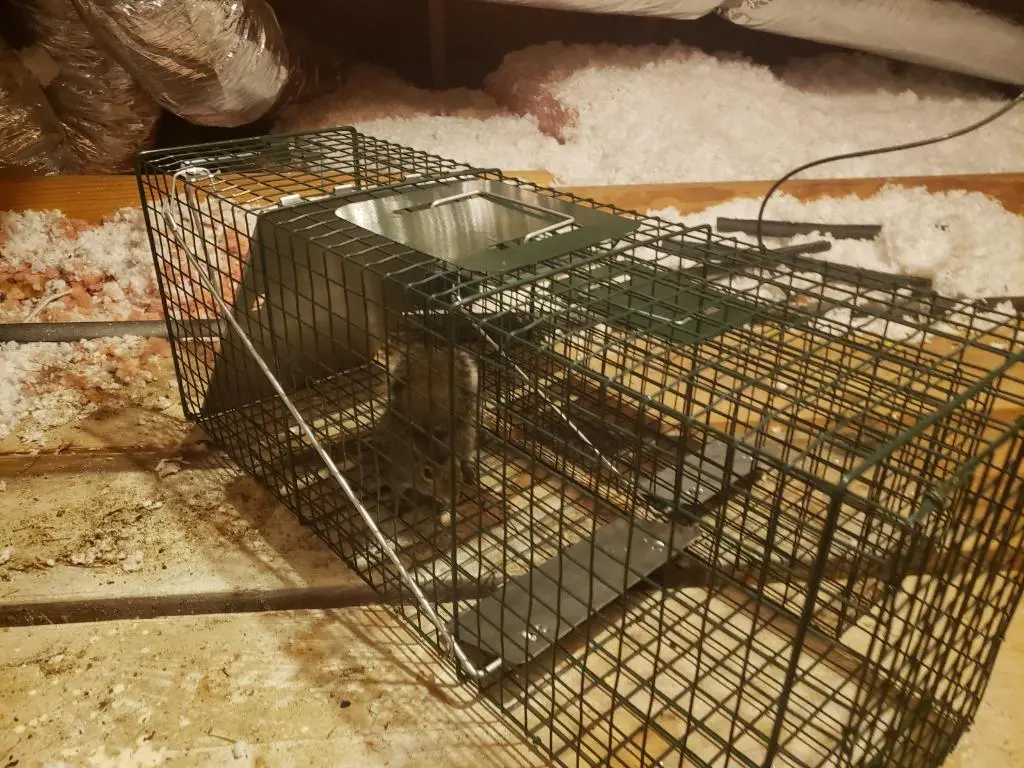
If what you’re hearing is lighter and faster, it may be rats instead. Our rodent control in Houston page covers those signs.
Free inspection. Chris will check the roofline, attic and yard, show you where the animal is getting in, and give you a price before any work starts. Book your free inspection or call or text 281-683-6737.
Why is a raccoon in the attic a bigger problem than it sounds?
TPWD says that once raccoons move into an attic or outbuilding, they can become very destructive and hard to remove (TPWD). AgriLife lists damage to attics and roofs as the main urban problem. It also notes raccoons can carry fleas, ticks, roundworms, distemper, mange and rabies (Texas A&M AgriLife Extension). Don’t try to grab or corner one, and keep kids and pets away from droppings.
A female with young is the hardest case. TPWD says up to four young are born 60 to 74 days after mating, and they stay with their mother for about a year after weaning (TPWD). Getting the animal out and the hole closed before that happens saves you a much bigger mess.
What does CPL do on a raccoon removal call in Houston?
Here’s what to expect when you call CPL Pest Control LLC for wildlife removal in Houston:
- Inspection. We confirm it’s a raccoon (not an opossum, squirrel or rats), find the entry point, and check the attic for damage.
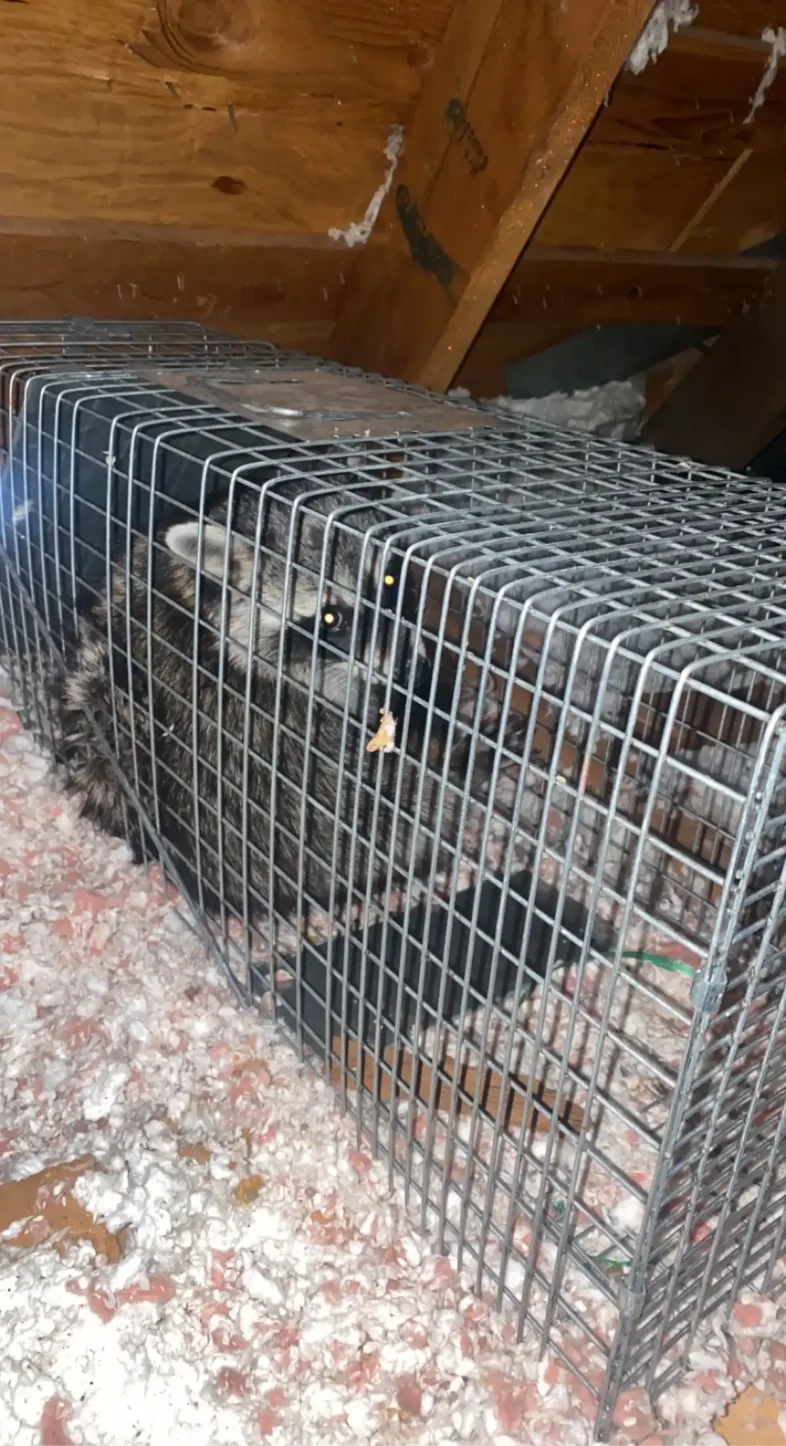
- Removal. We remove the animal. AgriLife says trapping is the most satisfactory way to remove raccoons and recommends cage traps in urban areas (Texas A&M AgriLife Extension).
- Sealing the entry points. Once the animal is out, we close the gaps at the soffits, vents and roofline so the next one can’t use the same hole.
- Taking away the draw. We point out food, water and access, like pet food, open trash, and limbs over the roof, that keep bringing animals back.
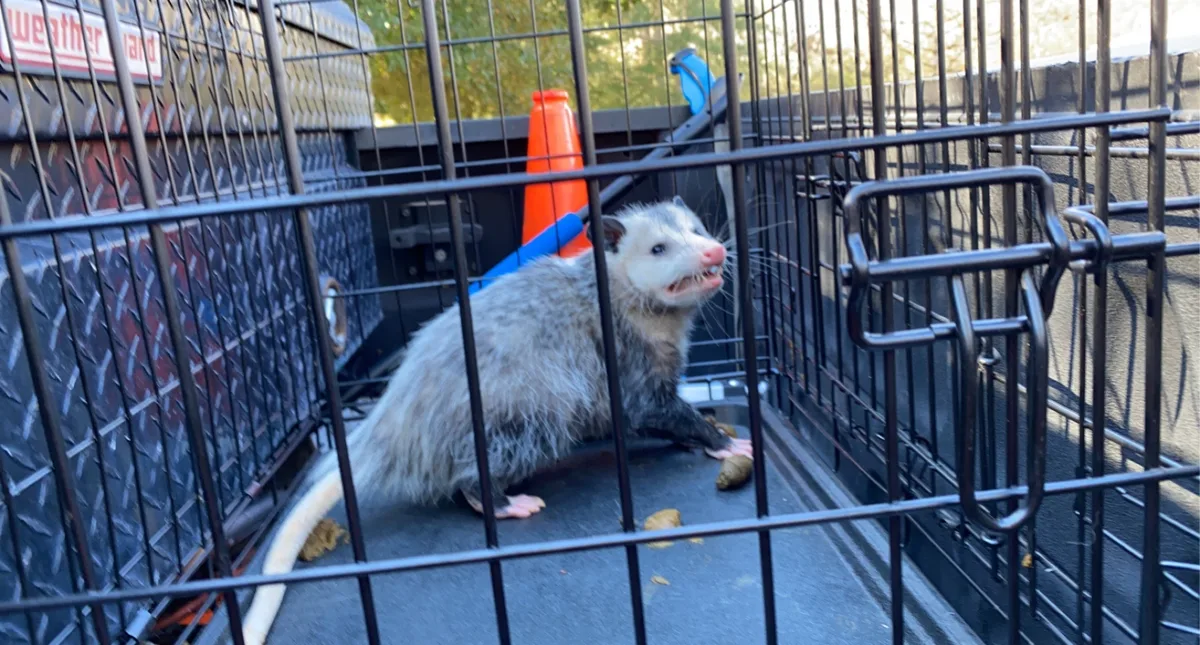
Opossums cause a similar kind of trouble. They tend to settle under decks, sheds, porches and pier-and-beam homes. We handle those too, and you can read more in Opossums are destroying Houston area gardens.
What can I do tonight to keep raccoons away from my house?
AgriLife’s four rules are simple: remove food, remove water, change the habitat, and trap responsibly (Texas A&M AgriLife Extension). In practice:
- Feed pets in the morning, pick up leftovers, and bring water bowls in at night.
- Keep trash in the garage or use cans with tight lids until pickup day.
- Take bird feeders in at night.
- Screen chimneys and attic and foundation vents.
- Trim tree limbs that hang over the roof.
- Don’t feed raccoons. TPWD says raccoons used to being fed lose their fear of people and move closer to the food source, which means your house (TPWD).
If you’re in Conroe, The Woodlands or Katy, our post on why cold snaps bring rodents into the attic covers the other attic visitors this time of year.
Frequently asked questions about raccoons in Houston
Is it legal to trap a raccoon in Texas?
AgriLife says raccoons are classified as furbearers in Texas, but a person may trap one at any time if it’s causing damage or a nuisance. Anyone who wants to live-trap and relocate a raccoon must notify the Texas Parks and Wildlife Department (Texas A&M AgriLife Extension). Call us and we’ll handle it.
Will a raccoon leave the attic on its own?
Sometimes it moves to another den, but as long as the hole is open and there’s food nearby, it or another raccoon can come back. The fix is removal plus sealing.
Do ammonia, lights or radios drive raccoons out?
There are no repellents registered for raccoon control (Texas A&M AgriLife Extension). Home remedies may bother the animal for a night, but they don’t close the entry point.
Do you remove opossums, squirrels and other animals too?
Yes. CPL Pest Control LLC removes raccoons, squirrels, opossums, snakes, armadillos and bats across the Houston area. Bats get exclusion only; see bat removal in Houston.
Is the inspection free?
Yes. The inspection is free, and you’ll get a price before any work starts.
Do you answer after hours?
We answer evenings and weekends at 281-683-6737.
Ready to get the raccoon out of your Houston attic?
Call or text us, tell us what you’re hearing and where, and Chris will come out, find how it’s getting in, and give you a price before any work starts.
Call 281-683-6737 | Text Chris | Book a free inspection
Related reading and services:
- Wildlife removal in Houston, TX
- Bat removal in Houston
- Rodent control in Houston
- Opossums are destroying Houston area gardens
- Contact CPL Pest Control
About the author: Christopher Villarreal owns CPL Pest Control LLC (Texas TPCL license 0567655) and has over 20 years of experience in pest control. CPL Pest Control LLC is licensed and insured and serves Houston and the Greater Houston area.
Published November 10, 2026.