📞 Call (956) 287-2118 for a Free Inspection
Will the flooding in Brownsville bring rats into my house?
It can. The CDC says that after a natural disaster, surviving rats and mice move to new areas looking for food, water and shelter (CDC, Rodent Control after natural disasters). From Nov. 1 to 10, 2026, Brownsville got more than 11 times its normal rain. If you hear scratching in the walls or see droppings in the garage after the rain, find out how the rats are getting in and close those openings before a few rats become a colony. CPL Pest Control LLC does rat control and pest control in Brownsville, and the inspection is free.
Rats moving into your Brownsville home after the rain? Call or text Chris at 956-287-2118 for a free inspection. We answer 24/7.
Call | Text | Book online
When you call, tell us what you’re hearing or finding and where: attic, walls, kitchen, garage or yard. That tells us which rat we’re probably dealing with.
How much rain did Brownsville get in early November 2026?
A lot more than the ground can hold. Here’s what the National Weather Service recorded:
- 8.73 inches in 10 days. From Nov. 1 through Nov. 10, 2026, Brownsville/South Padre Island International Airport recorded 8.73 inches of rain, against a normal of 0.75 inches for that stretch (NWS Brownsville, climate report for Nov. 10, 2026).
- Close to 6 inches in two days. The airport gauge 4 miles east of Brownsville logged 5.94 inches in the two days ending the afternoon of Nov. 9, 2026, and a gauge 4 miles northwest of Rancho Viejo logged 5.59 inches (NWS Brownsville, Public Information Statement, Nov. 9, 2026).
- The resacas are full. Brownsville has an estimated 3,500 acres of resacas, the old Rio Grande channels that wind through town (Brownsville PUB, Resaca Restoration Natural Resources Appendix). The National Park Service says resacas fill up during heavy rain, and the larger ones can hold water for days or even weeks afterward (NPS, Resaca Overlook).
That’s the kind of disruption the CDC is talking about: when burrows, brush and yard debris stay soaked, rats may go looking for somewhere drier, and your house may be the closest option.
Which rats move into Brownsville homes after heavy rain?
Texas A&M AgriLife names three rodents that live alongside people in Texas: the Norway rat, the roof rat and the house mouse (Texas A&M AgriLife, Managing Rats and Mice). After a big rain, the difference between the two rats matters:
- Norway rats dig. AgriLife says they burrow under foundations, floors, stacked goods and rubbish. Those burrows are what flood when the ground stays saturated.
- Roof rats climb. They seldom burrow and usually nest in double walls and attics, so the sounds come from overhead.
- A quick rule: AgriLife says if the nest is high, it’s usually a roof rat. If it’s underground, it’s almost always a Norway rat. The two are rarely found living in the same building.
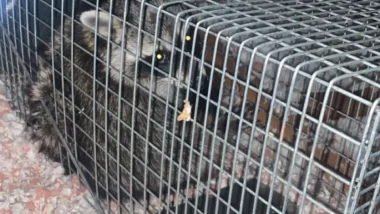
AgriLife also says 40 Norway rats would be a heavy population, while 100 or more roof rats often live together. Either way, one rat you see usually means more you don’t.
What are the signs of rats in a Brownsville home after a flood?
AgriLife lists these signs of rats and mice (Managing Rats and Mice). Several are easier to spot right after a rain:
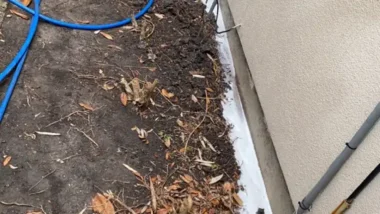
- Tracks in moist earth, especially in mud along the foundation, fence line or garage door
- Burrows in the ground next to the slab, under sidewalks, or beneath woodpiles and stored items
- Droppings in the garage, under sinks, behind appliances or in the attic
- Gnaw marks on doors, wood trim, boxes, water hoses and wiring
- Greasy dark smears along walls and rafters where rats rub as they travel
- Runways worn through grass or trash
- A musty smell, especially in closed-up rooms
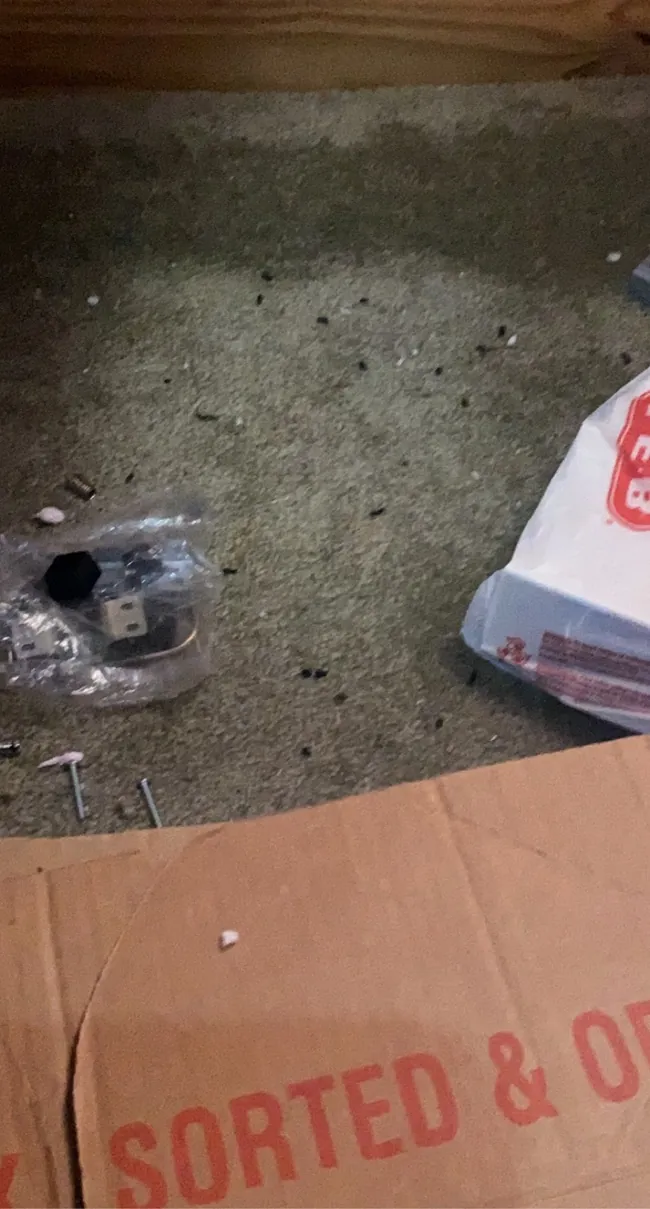
Free rodent inspection. Not sure what’s in your walls or garage? Chris will check the attic, garage, foundation and roofline, show you the droppings, burrows and entry points, and give you a price before any work starts. Book your free inspection or call or text 956-287-2118.
How do rats get into Brownsville homes?
Through openings much smaller than most people expect. The CDC says some rodents can squeeze through holes as small as a dime (CDC, Protect Yourself From Animals After a Disaster). Common entry points include:
- Gaps where pipes, A/C lines and cables go through the wall
- Weep holes, cracked mortar and gaps at the slab edge
- Garage doors with worn bottom seals
- Gaps around eaves, soffits and roof vents, especially where tree limbs touch the roof
Age matters too. The median home in Brownsville was built in 1995, and about 15% of homes were built before 1970 (U.S. Census Bureau, American Community Survey 2020-2024 5-year estimates, tables B25035 and B25034, via Census Reporter). Older trim, siding and seals tend to have more gaps, and storm damage can open new ones.
How do I clean up rat droppings safely after the rain?
If you find droppings while cleaning up after the rain, follow the CDC’s steps (CDC):
- Don’t sweep or vacuum droppings, urine or nesting material before it’s disinfected.
- Wear rubber or plastic gloves.
- Spray the area until soaked with a disinfectant or a bleach solution of 1½ cups of household bleach in 1 gallon of water, and let it soak for 5 minutes.
- Wipe it up with paper towels and throw them out in a sealed garbage container outdoors.
How does CPL handle rat control in Brownsville?
CPL Pest Control LLC follows the integrated approach Texas A&M AgriLife recommends: bait and traps, removing shelter, removing food and water, and rat-proofing (AgriLife). Here’s what to expect:
- Free inspection. We check the attic, garage, crawl spaces, roofline and the outside of the house for droppings, burrows, rub marks, nests and entry points.
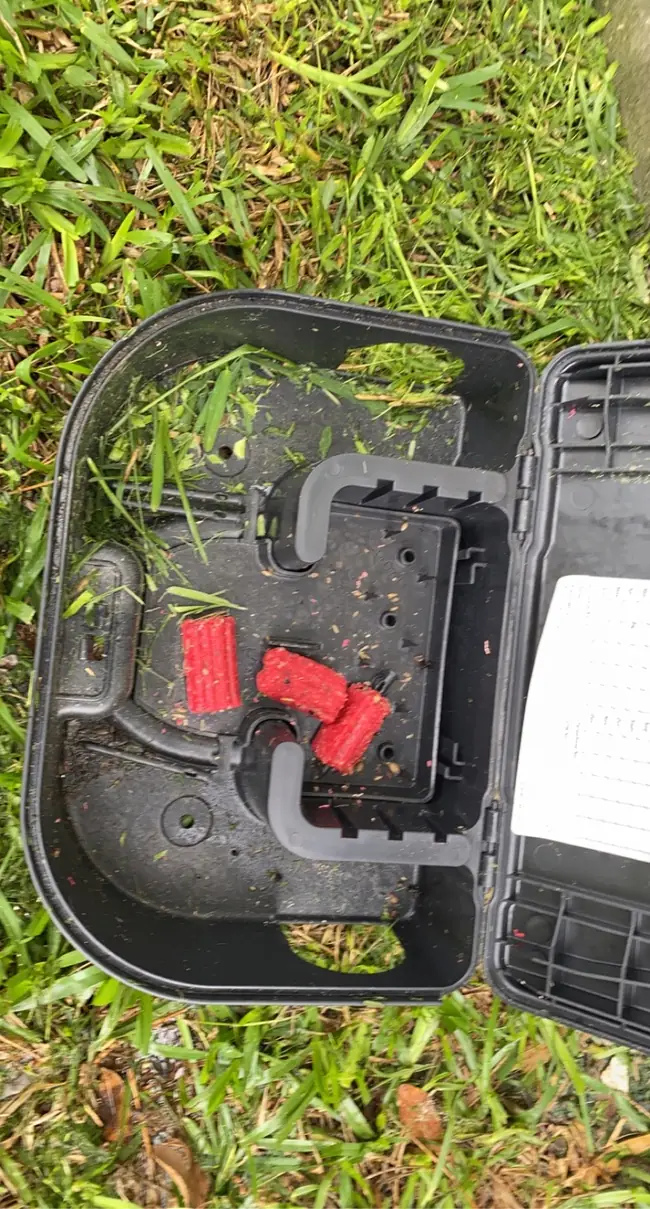
- Baiting and trapping. We combine bait and traps, placed where the rats are actually traveling.
- Sealing. We close and seal the outside openings rats are using to get inside. AgriLife calls rat-proofing the most permanent means of control.
- Your choice of service. Pick one-time rat control or ongoing service, whichever fits your home. No contracts.
You get a price before any work starts. Our guarantee: Full 30 day money back guarantee, if you are not completely happy with our service.
What can I do now to keep rats out?
These steps come from the CDC and Texas A&M AgriLife:
- Clear storm debris and trash from the yard as soon as you can (CDC).
- Get stored items off the ground. AgriLife says to store materials at least 18 inches off the ground or floor, with space between them and the wall, and to get rid of empty boxes promptly.
- Seal food and pet food in thick plastic, glass or metal containers with tight lids, and don’t leave pet food out overnight.
- Keep trash in covered cans and put it out on pickup day.
- Fix leaky faucets, hose bibs and A/C drip lines. AgriLife lists cutting off water as an essential part of rat control.
- Trim tree limbs and shrubs that touch the roof or walls.
Frequently asked questions about rats in Brownsville
Will the rats leave once everything dries out?
Don’t count on it. A CDC guide on rodents after floods says that as relocated rodents settle into new areas, they build colonies and reproduce (CDC, Rodent Control After Hurricanes and Floods). Sealing the entry points is what keeps them out.
Is it a Norway rat or a roof rat?
Look at where the signs are. Burrows, mud tracks and droppings low in the garage point to Norway rats. Noises overhead and droppings in the attic point to roof rats. We’ll identify them during the free inspection.
Can I clean up the droppings myself?
Yes, if you follow the CDC steps above: gloves on, soak with disinfectant or bleach solution for 5 minutes, wipe with paper towels, and never sweep or vacuum first. For a large mess in an attic or crawl space, call us.
¿Hablan español?
Sí. Llame o envíe un mensaje de texto a Chris al 956-287-2118.
Is the inspection free?
Yes. The inspection is free, and you’ll get a price before any work starts.
Can I call at night or on the weekend?
Yes. We answer 24/7 at 956-287-2118.
Ready to get the rats out of your Brownsville home?
After this much rain, the sooner you find the burrows and entry points, the fewer rats you’ll be dealing with this winter. Call, text or book online, and Chris will come out for a free inspection.
Call 956-287-2118 | Text Chris | Book a free inspection
Related reading and services:
- Pest control in Brownsville, TX
- Control de plagas en Brownsville, TX
- Rat control in Harlingen: why fall is when rats move in
- Pest control in the Rio Grande Valley
- Contact CPL Pest Control
About the author: Christopher Villarreal owns CPL Pest Control LLC (Texas TPCL license 0567655) and has over 20 years of experience in pest control. CPL Pest Control LLC is licensed and insured and serves Brownsville and the Rio Grande Valley.
Published November 11, 2026.