📞 Call 281-683-6737 for a Free Inspection
What should I do if I find a snake at my Conroe home?
Back away slowly, keep kids and pets inside, and don’t try to catch or kill the snake. Watch where it goes from a good distance, then call a pro for snake removal in Conroe. CPL Pest Control LLC removes snakes, including venomous ones, and then finds out what drew the snake to your house so the next one doesn’t move in.
Snake in your house, garage or yard in Conroe? Call or text Chris at 281-683-6737 for a free inspection.
Call | Text | Book online
If the snake is inside, close the door to that room if you can do it without getting close, and put a towel under the door. Tell us where you last saw it when you call.
Why am I still seeing snakes in Conroe in November?
Because it’s still warm enough. Snakes are cold-blooded, and Texas A&M AgriLife says they normally hibernate during winter and come back out in late February or early March (Texas A&M AgriLife, Snakes and Their Control). In Conroe, winter hasn’t really started yet. Today’s Election Day cold front was forecast to drop temperatures from the mid-80s into the upper 60s, with an overnight low in the mid-50s (Seven Lakes News, Nov. 2026; National Weather Service forecast for Conroe).
Fall weather like this keeps snakes moving between warm afternoons and cool nights. They’re looking for two things:
- A place to spend the winter. Gaps under slabs, crawl spaces, garages, wood piles and storage sheds all look good to a snake.
- Food. Rodents also move toward houses when it cools off, and snakes follow them. Texas Parks and Wildlife says snakes show up around homes to find food and shelter (TPWD, Venomous Texas Snakes).
What makes Conroe such a snake-friendly place?
Conroe sits right between big woods, big water and fast new construction:
- The national forest is next door. The Sam Houston National Forest covers 46,902 acres inside Montgomery County (USDA Forest Service, Land Areas Report, 2023). Neighborhoods that back up to the forest share their yards with its wildlife.
- Lake Conroe adds miles of snake habitat. The lake covers 19,640 surface acres with about 150 miles of shoreline on the West Fork of the San Jacinto River (San Jacinto River Authority). Cottonmouths and other water snakes live along shorelines, creeks and drainage ditches.
- New homes keep going in. Montgomery County grew 25.9% from April 2020 to July 2025, reaching 781,194 people, with building permits issued for 13,614 new housing units in 2025 (U.S. Census Bureau QuickFacts, Vintage 2025). TPWD warns that as more people move into undeveloped areas, run-ins with venomous snakes are going to happen, and many of them happen around the home (TPWD).
Which venomous snakes live around Conroe?
Texas has 15 potentially dangerous snake species or subspecies (TPWD). These are the ones Texas Parks and Wildlife lists for the East Texas woods and waterways around Conroe:
- Southern copperhead. Tan to pinkish with darker hourglass-shaped bands. TPWD lists it across the eastern third of Texas, in wooded areas and leaf litter.
- Western cottonmouth (water moccasin). Dark and heavy-bodied. When it feels threatened it opens its mouth wide to show the white lining. It lives in the eastern half of the state, near swamps, ponds, creeks and lakes.
- Timber (canebrake) rattlesnake. Banded with a black tail, found in the eastern third of Texas in wooded, wet river bottoms.
- Western pygmy rattlesnake. Small, with a tiny rattle that can be hard to hear. TPWD lists it throughout the East Texas Pineywoods.
- Texas coral snake. Red, yellow and black rings, with the red touching the yellow. It lives across the southeastern half of the state.
Most snakes you’ll see in Conroe aren’t venomous, and they eat a lot of rodents. Texas A&M AgriLife says the same (Texas A&M AgriLife). But many non-venomous snakes look a lot like the venomous ones, especially from a few feet away. Don’t get close enough to find out. Treat every snake as venomous until a pro says otherwise.
How do snakes get into Conroe homes and garages?
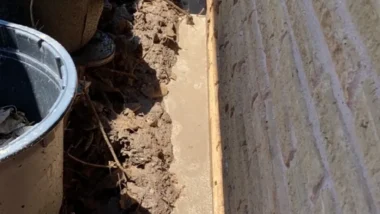
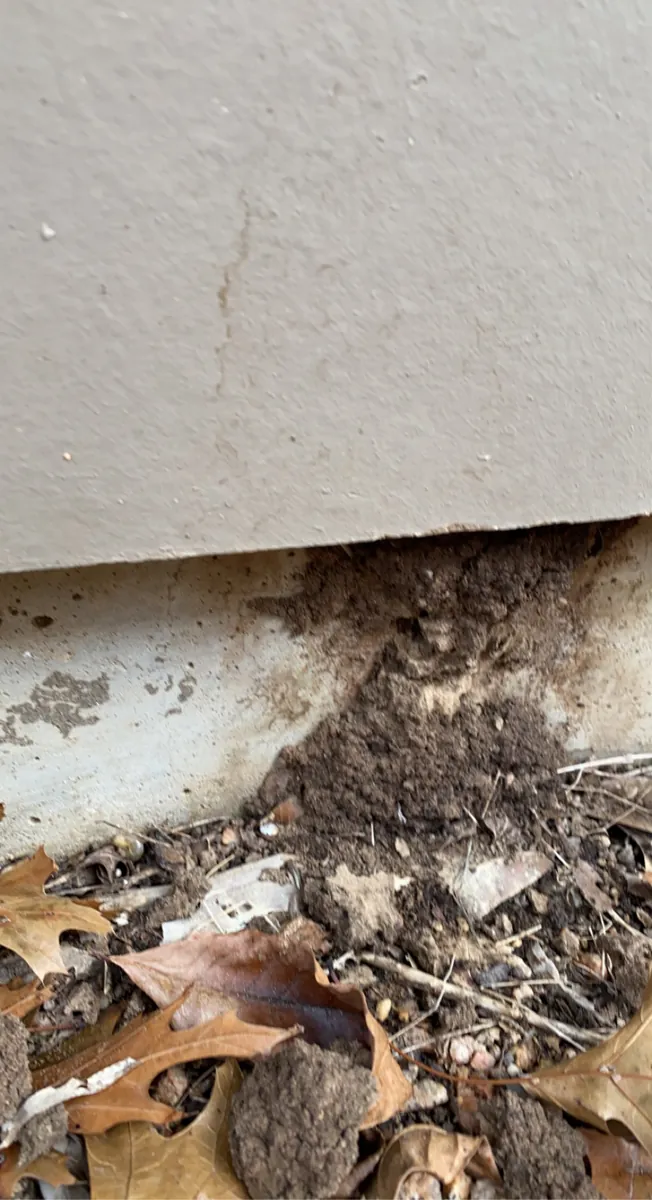
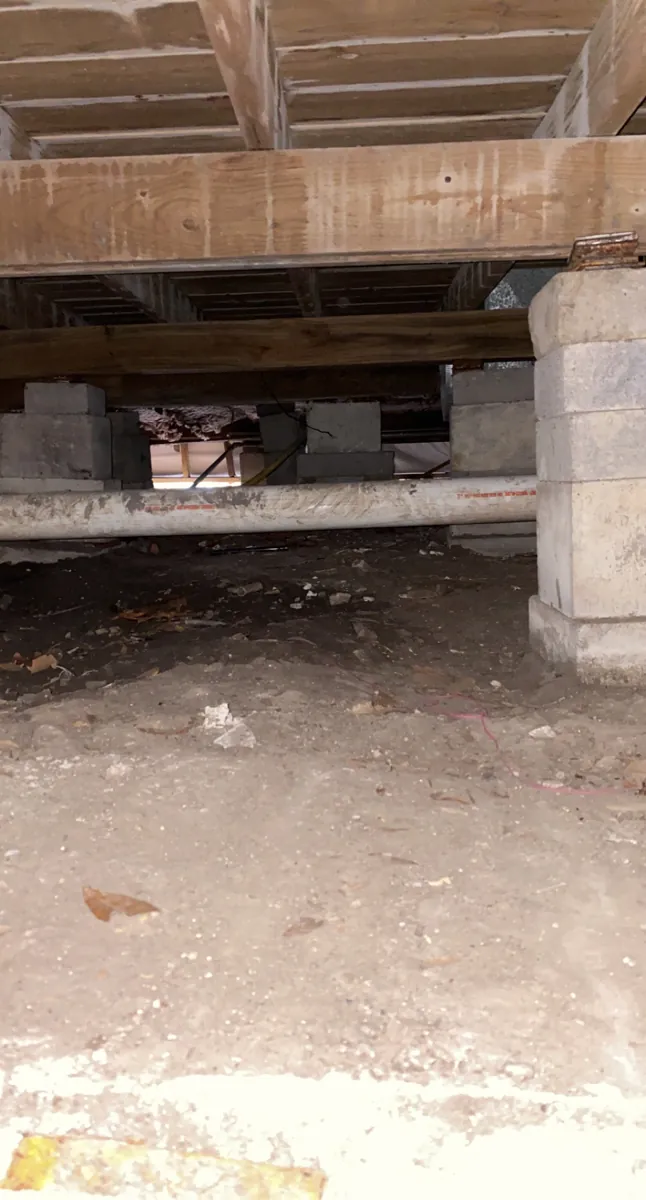
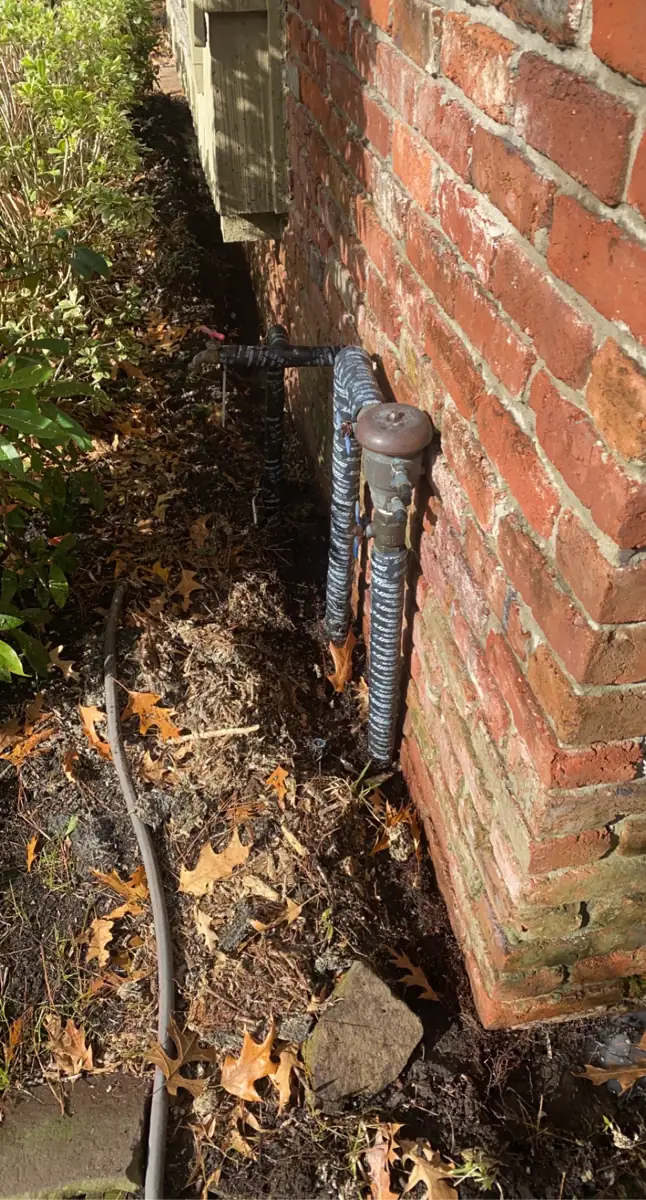
Texas A&M AgriLife says snakes usually get into buildings at or below ground level. They come in through openings around water pipes and electrical lines, and through gaps around doors and windows (Texas A&M AgriLife). TPWD adds that snakes are good at getting through small openings, so be careful when you go into crawl spaces, garages and storage areas (TPWD).
The spots we check first around Conroe houses:
- Garage doors with worn or torn bottom seals
- Gaps where pipes, A/C lines and wires go through the wall
- Crawl space vents and access doors on raised homes
- Cracks and gaps along the slab edge
- Leaf piles, mulch and debris stacked against the foundation
Free inspection. Not sure how a snake is getting in? Chris will walk your property, show you the gaps and the hiding spots, and give you a price before any work starts. Book your free inspection or call or text 281-683-6737.
What does CPL do on a snake removal call in Conroe?
When you call CPL Pest Control LLC for snake removal in Conroe and The Woodlands, here’s how it works:
- Inspection. We find the snake, or where it’s hiding, and look for what’s drawing snakes to the property. That’s usually shelter, rodents, or both.
- Removal. We remove the snake, including venomous ones like copperheads and cottonmouths.
- Sealing. We seal the outside holes and cracks where snakes and other animals could get back in.
- Fixing the cause. If rodents are what’s bringing snakes around, we can take care of them too with rodent control in Conroe.
One thing we won’t sell you is a snake repellent. Texas A&M AgriLife Extension wildlife specialist Maureen Frank has said there are no chemical repellents proven to deter snakes (Texas A&M AgriLife Today, May 21, 2021). Taking away shelter and food and sealing up entry points is what makes the difference.
How can I make my Conroe yard less inviting to snakes this winter?
Texas A&M AgriLife and TPWD both recommend getting rid of the cover snakes hide in:
- Get firewood and lumber off the ground. Store wood piles at least 18 inches off the ground (Texas A&M AgriLife), and keep them as far from the house as you can (TPWD).
- Clean up leaves, brush and rock piles, especially against the foundation, and keep the grass short.
- Watch out for boats, tarps and covers. TPWD says to treat overturned boats, tarps and similar objects as possible snake shelter. That matters if you live near Lake Conroe.
- Use a flashlight in the yard at night, and don’t reach into anything when you can’t see the bottom (TPWD).
- Keep rodents and bugs down. Less food means fewer snakes (Texas A&M AgriLife).
What if someone gets bitten?
Call 911 or get to an emergency room right away. Don’t drive yourself if someone else can drive. The CDC’s NIOSH team says to take off rings and tight clothing before swelling starts. Don’t cut the bite, try to suck out the venom, put on a tourniquet or use ice. Never pick up a snake, even a dead one, because it can still bite (CDC NIOSH, Venomous Snakes, updated Sept. 2026). This is general first aid information, not medical advice.
To keep it in perspective: about 7,000 to 8,000 people a year are bitten by venomous snakes in the U.S., and about 5 of them die (CDC NIOSH, 2026). TPWD says more deaths in Texas are attributed to lightning strikes each year than to venomous snakebites (TPWD). Most bites happen when someone surprises or corners a snake, or tries to handle it. That’s why the best move is to back off and call.
Frequently asked questions about snakes in Conroe
Are snakes still active in Conroe in November and December?
Yes, on warm days. Texas A&M AgriLife says snakes normally hibernate in winter and come out in late February or early March. Conroe’s mild fall and early winter days give them plenty of time to move around and look for a place to spend the winter.
Do you remove venomous snakes?
Yes. CPL Pest Control LLC removes snakes, including venomous ones such as copperheads and cottonmouths, from homes, garages and yards in Conroe and The Woodlands.
Should I kill the snake myself?
No. Many bites happen when people try to catch or kill a snake. Keep your distance, keep pets away, and call 281-683-6737.
Do snake repellents work?
Texas A&M AgriLife’s wildlife specialist says there are no chemical repellents that work for snakes. Cleaning up hiding spots, controlling rodents and sealing entry points works better.
Is the inspection free?
Yes. The inspection is free, and you’ll get a price before any work starts.
Ready to get the snake out of your Conroe home?
Back away, keep everyone clear, and call us. We’ll remove the snake, show you how it got in, and seal it up. All of our animal control services come with our Full 30 day money back guarantee, if you are not completely happy with our service.
Call 281-683-6737 | Text Chris | Book a free inspection
Want help with the bugs and rodents snakes come looking for? Pest Control Starting At $39.99/Month. Initial Pest Control Service of $179.99 is WAIVED When You Sign Up Now. See the Conroe pest control offer.
Related reading and services:
– Snake removal and wildlife control in Conroe
– Snakes are slithering all over Conroe, TX
– Don’t let snakes slither into your The Woodlands backyard
– Rodent control in Conroe, TX
– Pest control in Conroe, TX
– Contact CPL Pest Control
About the author: Christopher Villarreal owns CPL Pest Control LLC (Texas TPCL license 0567655) and has over 20 years of experience in pest control. CPL Pest Control LLC is fully licensed and insured and serves Conroe, The Woodlands and the Greater Houston area.
Published November 3, 2026.